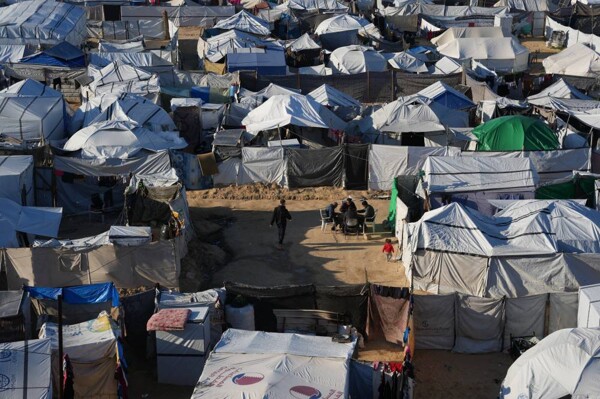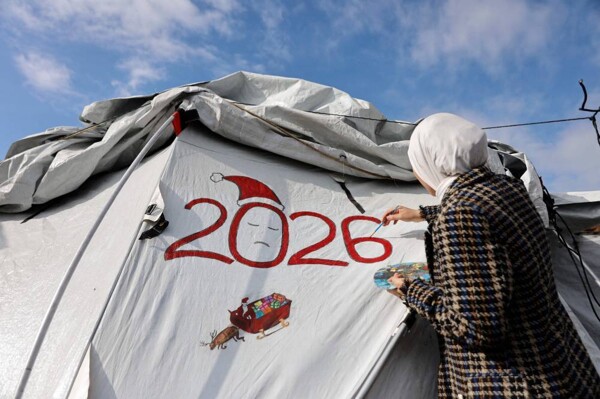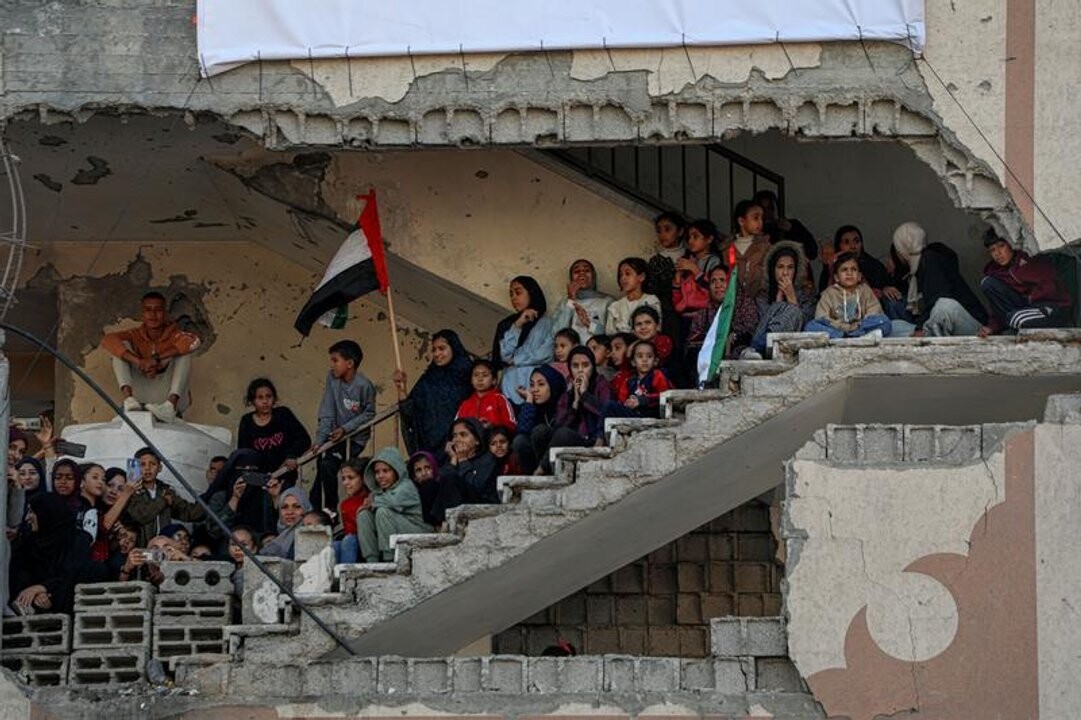
The harsh winter, with heavy rains and winds, is severely affecting makeshift shelters in the Gaza Strip, putting the most vulnerable populations, especially newborns, at risk, humanitarian United Nations organizations warned this Wednesday. The organizations alerted that a new storm with low temperatures threatens the tents and tarps that serve as temporary shelter. In this context, the UN Office for the Coordination of Humanitarian Affairs (OCHA) reported that assistance to communities located in flood-prone areas has been intensified, with the expansion of winter clothing distribution for children from 5,000 to 8,000 kits daily. Likewise, it was reported that about 200 families from coastal communities planned to move to a new settlement located in the east of Khan Younis due to the risk of flooding in their current places of residence. OCHA detailed that the distribution of tents, tarps, sheets, and warm clothing continues, while work is being carried out to mitigate flooding by reinforcing high-risk areas with sandbags, cleaning storm drains, and collecting waste. In parallel, 65 classrooms that were being used as shelters for displaced persons have already been cleaned and conditioned to resume educational activities, although humanitarian organizations warned that the entry of school materials continues to be blocked, hindering the return of children to school. In a report published on ReliefWeb, the organization Save the Children warned that restrictions on aid are depriving thousands of children of essential child protection services and psychosocial support. Four of the eight spaces for child containment had to close during last month's storms due to flooding and structural damage. Additionally, they noted that the poor ground conditions and lack of basic shelter, such as jackets and footwear, force many children to stay inside the tents, while adolescent attendance at recreational spaces has decreased as they help their families repair damaged shelters. In terms of food security, OCHA indicated that so far this month, 260,000 people have received regular food assistance, consisting of two food packages and a 25-kilogram bag of flour, through 60 distribution points throughout the Gaza Strip, including a newly inaugurated center in Beit Lahiya, in the north of the enclave. Likewise, 3,500 veterinary kits entered Gaza for the first time since August, which have already been distributed along with fodder to more than 100 shepherds and animal owners, with the aim of strengthening food security. Finally, OCHA warned that security incidents continue to be reported at various points in Gaza, representing a constant risk to the civilian population and humanitarian teams.