Christmas is presented as an event that transcends traditional celebration, because it implies the reversal of oppression and the renewal of Christian values. The central idea is that the arrival of Christ changed the social order, elevating the poorest and most marginalized.
This perspective is inspired by thinkers such as Kierkegaard, who argues that Christmas introduces the unexpected and the absurd, breaking with ordinary logic and proposing a new way of relating God and humanity. The message is clear: faith must provoke radical transformations.
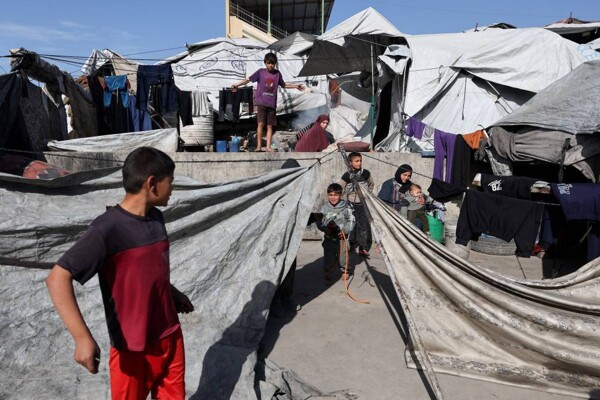
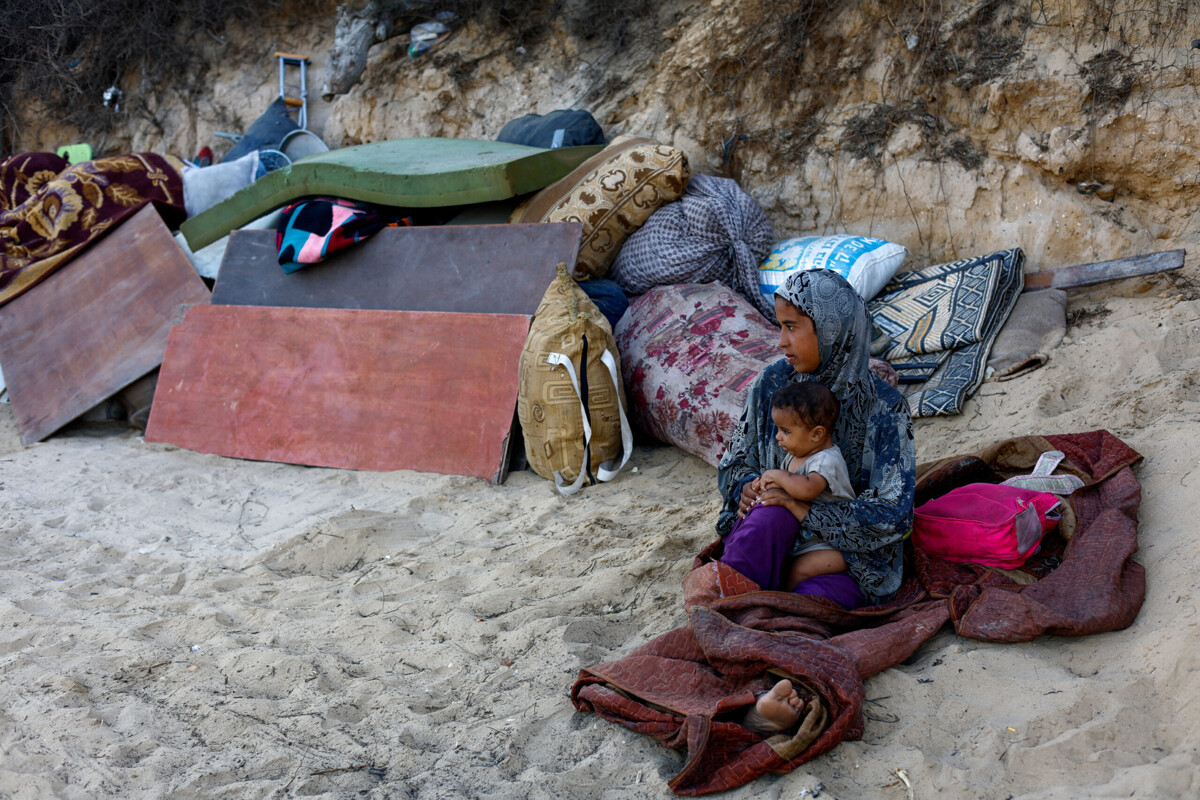
In the current conflict context, the narrative recalls the situation of a displaced Palestinian woman from Gaza, forced to flee after the Israeli military offensive. Her experience symbolizes the continuity of the Christmas narrative as an act of liberation.
Ultimately, the text invites readers to reflect on Christmas’s capacity to drive social change and to keep in mind the revolution that manifests in every act of solidarity.
"Christmas is where Christianity begins," a contemporary author reminds, emphasizing that the holiday marks the start of a new moral order.