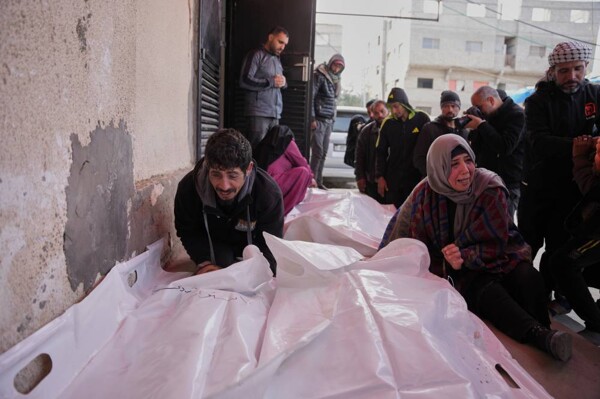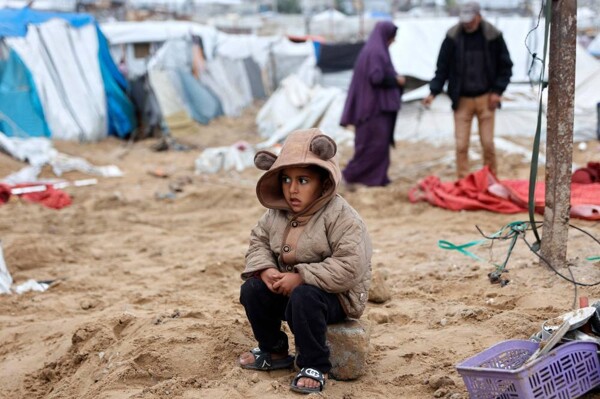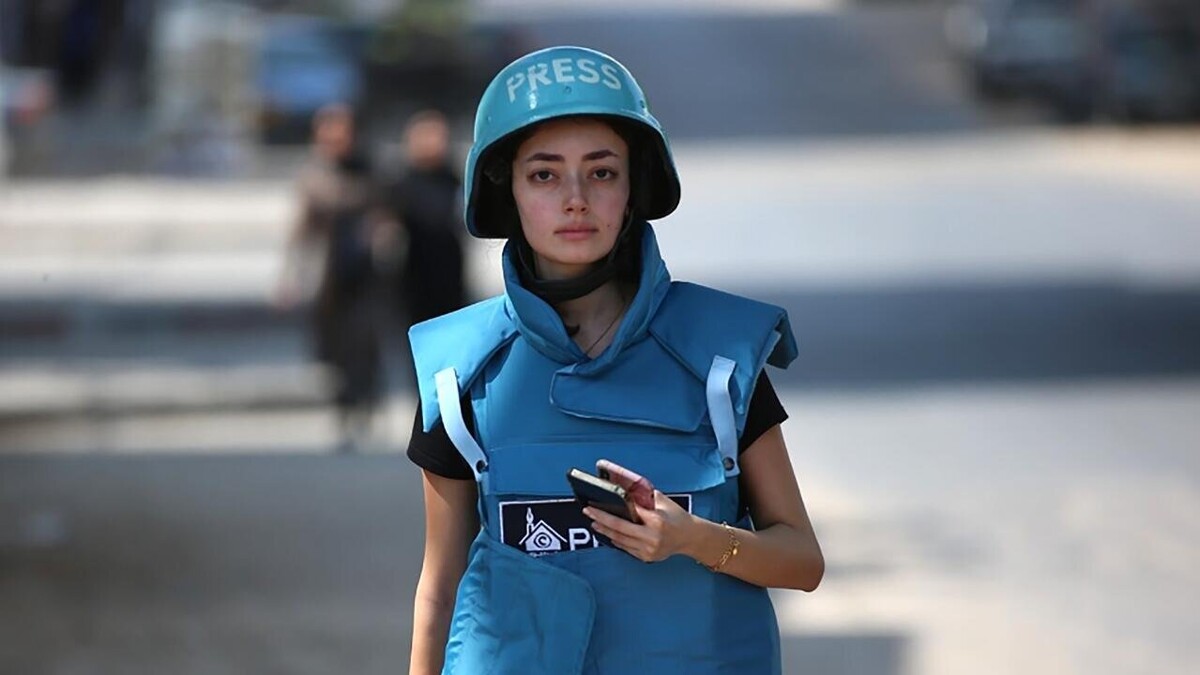
For me, seeing the children of Gaza play during a genocide, with the echo of bombs in the background, produces a mix of hope and sadness. It is deeply sad because no child should have to live through something like this. The memoir titled "The Eyes of Gaza: A Diary of Resilience" (Little, Brown and Company) offers a personal and exceptional perspective from its young author, the Palestinian journalist Plestia Alaqad, on what it is like to live under constant bombardment. It also highlights the emotional complexity of exile, the tension between surviving and witnessing, and the constant struggle for human dignity. Armed with a cell phone, a press helmet, and a bulletproof vest, she recorded moments of devastation that the outside world could barely comprehend, as described in the English newsletter Kolapse. Millions of people followed her online updates, witnessing scenes that a UN commission now describes as genocide. Although the violence erupted in Gaza in October 2023, the story of those who survived and documented it remains little known, and Plestia revealed both the immediate destruction and the daily, often silent struggles. A master's student in Lebanon, she experiences the duality of survivor's guilt and opportunity. Education has become an exceptional privilege, especially given the bombings that Gaza's schools and universities suffer. Having received the Shireen Abu Akleh Memorial Scholarship underscores the importance of Plestia's work beyond personal development. It offers her a sense of purpose and the opportunity to advocate for Gaza from an academic and journalistic perspective. However, barriers remain enormous: travel restrictions, visas, and the inability to return home shape her daily life. The tension between global mobility and forced immobility defines much of the Palestinian diaspora experience. The Eyes of Gaza. The article reflects entire paragraphs from the notes taken by the journalist sent to the Palestinian territory. The world seems more interested in Palestinian death than in Palestinian life. "The media only pay attention to Gaza and Palestinians when there is a genocide or an Israeli attack. They are not interested in how people in Gaza actually live, their daily joys, their struggles, and their humanity." But it is also hopeful because, although everything around them tries to strip away their childhood, they still find joy in the smallest details. It is a reminder that humanity persists even under siege. Almost at the end, you ask yourself: "How can you forget everything you have witnessed?". Personal Narratives. She argues that personal narratives are necessary to counter the reduction of Palestinians to statistics or abstract tragedies. Every story she shares carries context, history, and emotion, highlighting the daily life that persists amidst the devastation. By documenting both suffering and moments of joy, her work builds a bridge between distant observers and those living the reality of the conflict. In this way, it affirms the agency of her community and returns dignity to experiences that are too often ignored. Documenting life amidst destruction is both an act of resistance and an exercise in survival. The Intimate Price of War. Her memoir reveals the intimate price of war, from the emotional strain of constant alerts to the fortitude required to bear witness. She emphasizes that the smallest gestures—children playing, books found, meals shared—hold extraordinary importance. These details offer readers a nuanced understanding of life under occupation, far beyond images of rubble or casualty statistics. Alaqad's work reminds the world that the humanity of Gaza persists even when its buildings crumble. Capturing these nuances requires a vigilance that can be emotionally exhausting yet indispensable. "If you could talk to your twelve-year-old self—the girl who started her diary—what would you say about the power and the price of seeing?". Her resilience reflects life's capacity to persist amidst unimaginable circumstances. Creativity becomes an act of resistance, a refusal to allow violence to dominate identity. This imbalance greatly hinders journalistic work because conveying resilience alongside tragedy is essential. Our existence is more than statistics; it is a spectrum of emotions and experiences.